
Complex spine care
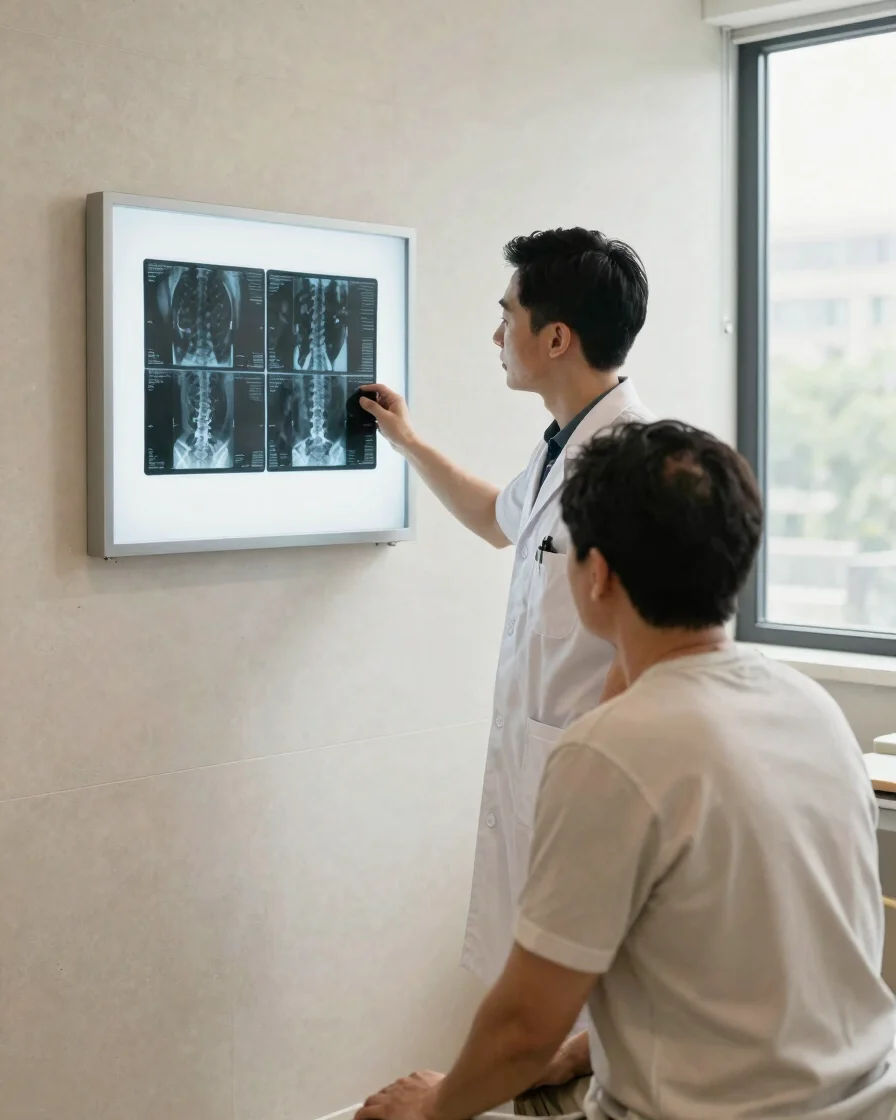
Diagnosis and surgical planning for complex spinal deformities
Scoliosis, kyphosis, and degenerative deformity call for a careful reading of imaging, posture, and symptoms before any treatment is chosen. Each evaluation maps the curvature, the nerves at risk, and the options that fit the patient's daily life.
Where surgery is needed, planning focuses on realigning the spine and positioning implants with precision, with robotic assistance used where it adds accuracy. Where it is not, a structured conservative plan is built around the patient's pain and goals.
Treatment approaches
Surgical and non-operative options

Precision surgery
Robotic-assisted procedures
Robotic guidance supports accurate placement of screws and implants during realignment surgery. The system is used as a planning and positioning aid under the surgeon's direct control.
Disc and nerve conditions
Slip discs and sciatica
Leg pain radiating from a compressed nerve is assessed with imaging and a clinical examination. Many patients improve with structured non-operative care, and surgery is considered when symptoms persist or weakness develops.

Conservative care
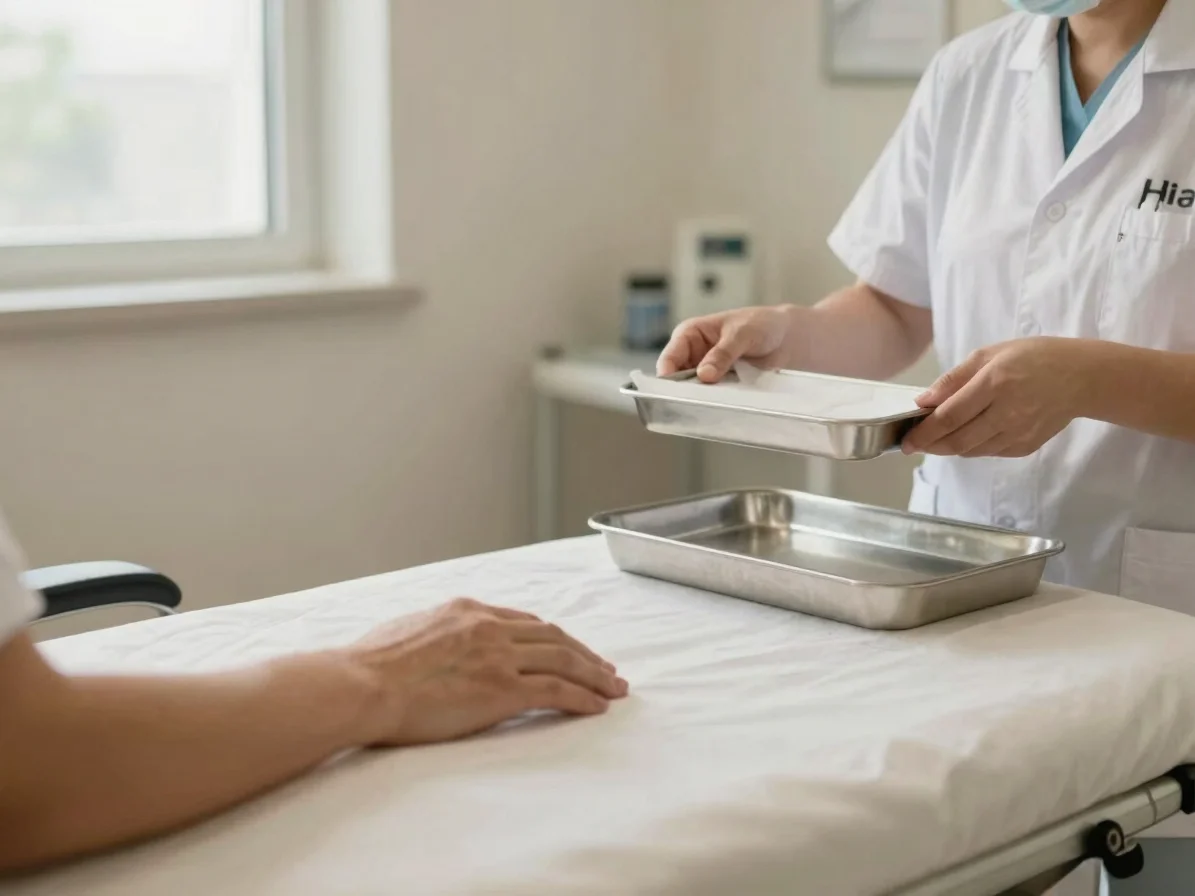
Non-operative pain block therapy
Targeted injections can reduce pain from the spine and nerve roots, creating room for rehabilitation. Pain block therapy is offered as part of a conservative plan, not as a shortcut to surgery.
Neck and back
Neck and back pain care
Persistent neck and back pain is evaluated to separate mechanical causes from nerve or structural problems. Treatment is matched to the findings, with clear steps for review and follow-up.
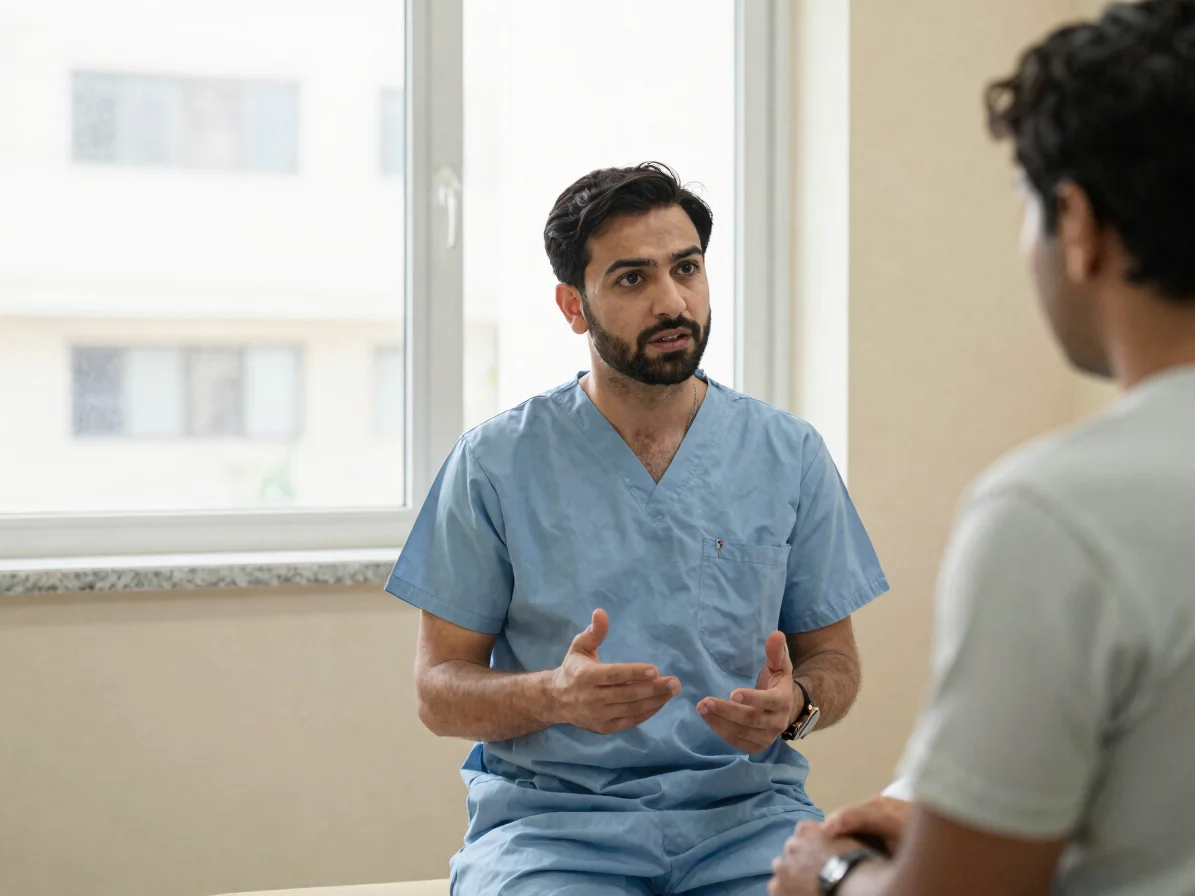
Bring your spinal imaging to a diagnostic review
Consultations are held in Hisar and at regional OPDs. Share your scans and symptoms so the next steps can be planned clearly.